
At Weaver Child Development Center (CDC), the outdoors is an essential part of the school day. As a Reggio Emilia inspired school, we believe the environment acts as a “third teacher,” shaping how children explore, question, and grow. That philosophy goes beyond the walls of the classroom into a thoughtfully designed natural playground. There, children interact with the world around them in meaningful ways.
Parents often think of playgrounds as places where children burn off energy between lessons. At Weaver CDC, we treat the outdoor space as an outdoor classroom. Children of all ages connect with the world around them while developing critical skills through hands-on experiences.
A Natural Playground That Encourages Exploration
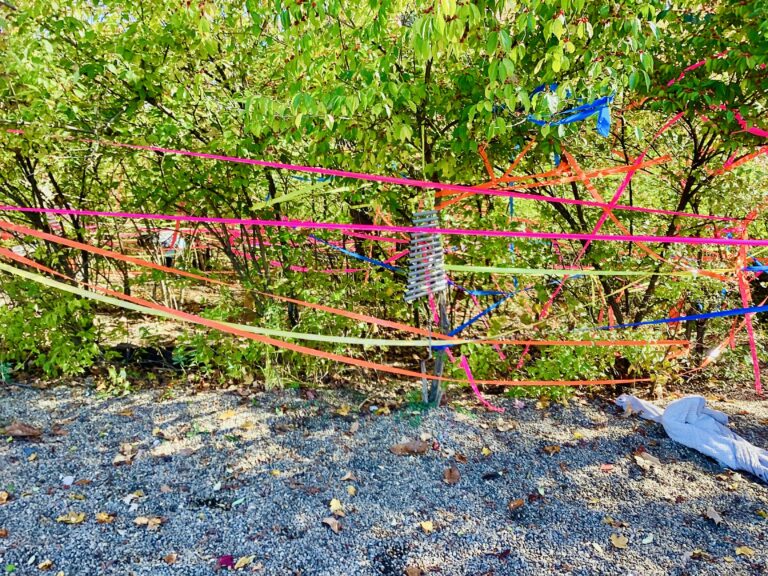
A thoughtfully designed outdoor classroom looks vastly different from traditional playgrounds filled with plastic structures. Instead of limiting how children play, the space becomes whatever the students need it to be that day.
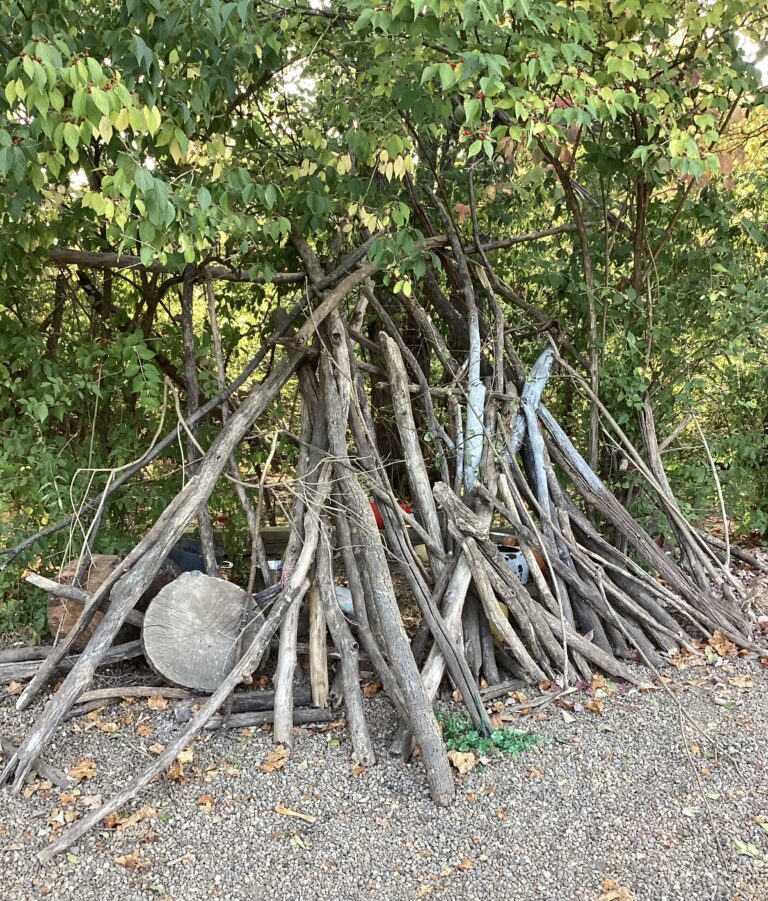
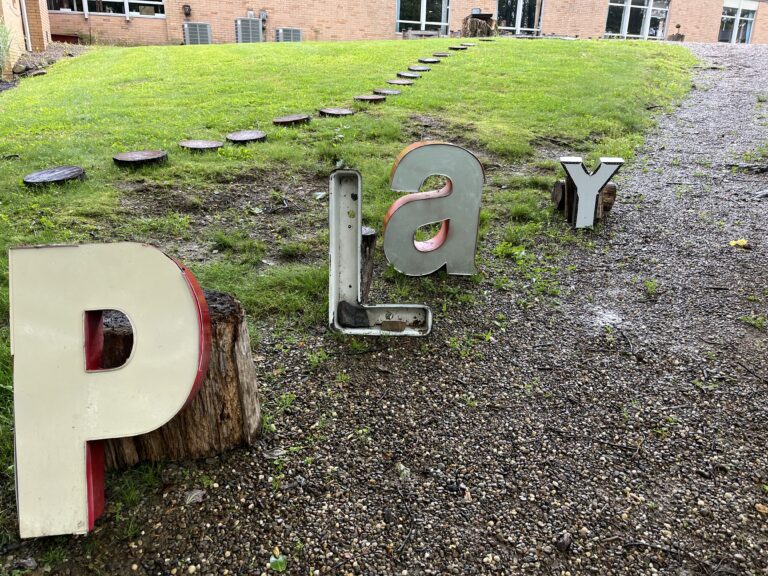
Logs become balance beams. Garden beds become science labs. Sticks transform into buildings. These experiences help children strengthen motor skills, but they also build confidence and independence.
This type of environment supports nature-based learning, which research shows can improve problem-solving, attention, and emotional control. When children use real materials and spend time in nature, they learn to watch closely, expand their thinking.
The result is a natural playground that grows with the children who use it.
Nature-Based Learning Strengthens Understanding
The yard at Weaver CDC isn’t just a play space, it’s a fully integrated outdoor classroom. Here, teachers expand on inside lessons and encourage children to explore concepts in real-world settings.
Spending time learning outside helps children connect academic concepts with their life. When students explore outdoors, they use all their senses: seeing, hearing, and touching changes in their environment.
For younger children, this may mean noticing how rain changes the texture of soil or how sunlight warms a rock. Older students may explore patterns in nature, examine plant growth, or document wildlife they encounter on the school grounds.
Through play and exploration, children develop critical thinking skills that support lifelong learning.
The Joy of the Outdoor Mud Kitchen
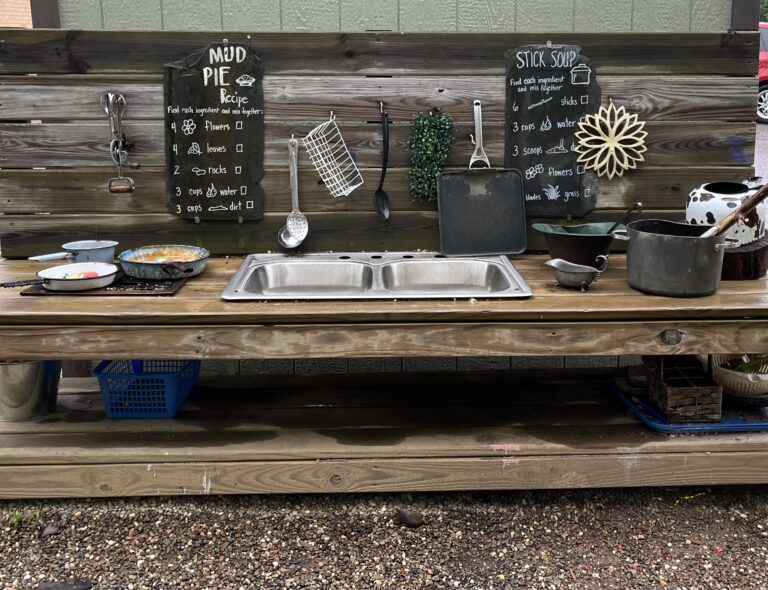
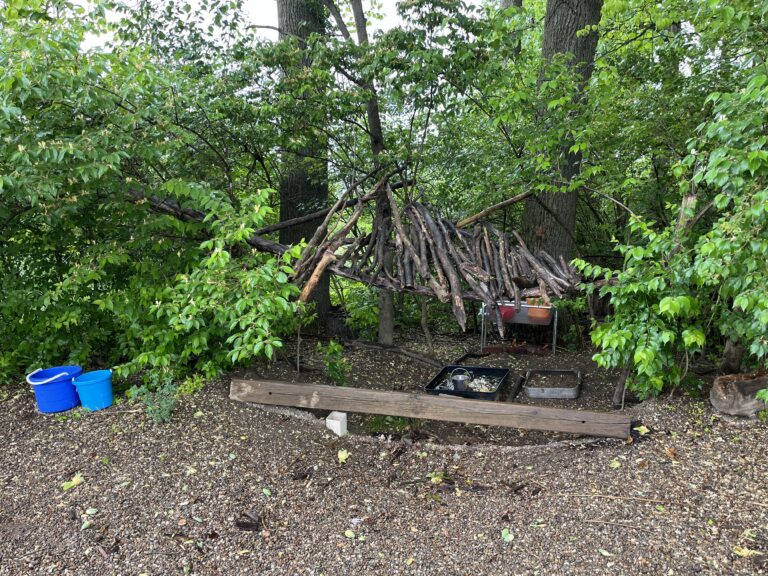
One of the most popular areas is the outdoor mud kitchen. With simple tools like pots, pans, scoops, and plenty of natural materials, children can mix, measure, and experiment freely.
While it may look like simple pretend play, experiences like these are central to nature-based learning. Allowing children to work with real materials instead of toys designed to imitate them supports important developmental skills. They test ideas, adjust their “recipes,” and collaborate with friends to create something entirely new.
This type of open-ended play also builds communication skills. Students share ideas and negotiate roles during their imaginative cooking adventures.
The outdoor mud kitchen also reflects the heart of a nature playground. Children work with real materials in ways that feel authentic and meaningful. And yes, sometimes that means they get a little messy.
There is No Such Thing as Bad Weather
At Weaver CDC, learning outside isn’t limited by the weather. In fact, seasonal changes provide unique opportunities for discovery and exploration. We love to be outside in the sun, rain, and snow!
In autumn, students collect leaves to study color and shape. Winter introduces experiments with snow, ice, and temperature. Spring and summer bring blooming plants, insects, and new growth.
We encourage families to dress children in weather-appropriate clothing so they can fully participate in these outdoor experiences. And when weather truly prevents outdoor time, our multipurpose room supports large motor play. But we return to our outdoor classroom as soon as possible.
Play is Serious Learning
Time learning outside allows students to test ideas in real ways. Rather than someone telling them how something works, they experiment, observe results, and adjust their thinking. Whether children are building with sticks, observing insects, or investigating how water moves through dirt after rain, they are developing persistence and problem-solving skills.
These experiences are a powerful example of nature-based learning. When children interact with natural materials, they engage more and are active participants in their own learning process. They notice patterns, ask deeper questions, and collaborate with friends to explore new ideas.
Spaces like the outdoor mud kitchen also play an important role in this kind of exploration. When students experiment with nature and invent imaginative scenarios, they are practicing communication, teamwork, and early math and science concepts without even realizing it.
This is why play is such an important foundation for childhood development. Outdoor exploration naturally leads to the kind of creative, imaginative play that helps children build confidence and critical thinking skills. In fact, many of these experiences show why educators stress play in early learning.
At Weaver CDC, the outdoor classroom helps bring all these experiences together. It gives students the freedom to investigate the world around them and build a lifelong love of learning.
Growing Curious, Confident Learners
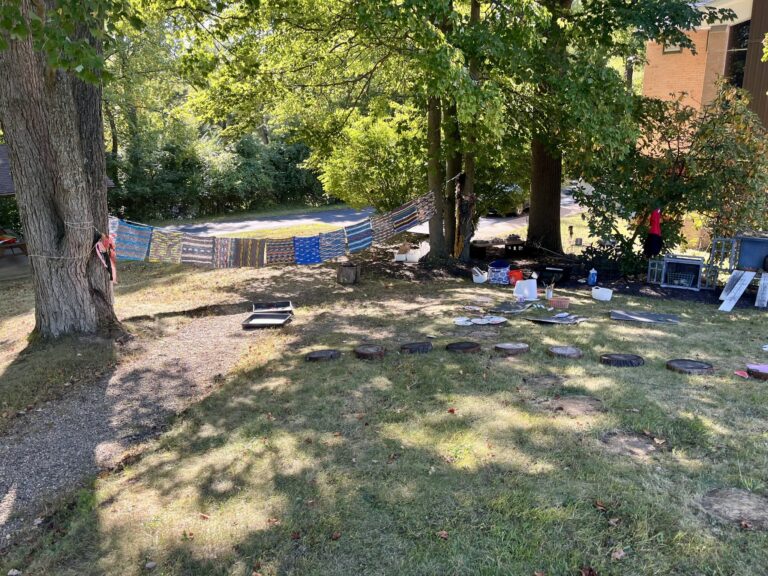
The outdoor classroom is an essential part of our Reggio-inspired philosophy. When given the freedom to explore, students discover joy and find true understanding.
From imaginative cooking in the outdoor mud kitchen to hands-on investigations rooted in nature-based learning, the environment is an important part of what makes Weaver CDC such a vibrant place to grow and learn. And while the experiences may look like simple fun, they’re helping children develop resilience that will support them for years to come.
At Weaver CDC, we encourage curiosity, celebrate creativity, and give children space to explore their world. Schedule a tour to see our outdoor classroom in action!