
Walk through the hallways at Weaver Childhood Development Center (CDC) and you’ll quickly notice something special on the walls. Photographs, classroom artwork, children’s words, teacher observations, and project displays tell the story of children learning. This is a process called documentation, and it is an important part of a Reggio-inspired school environment.
At Weaver CDC, documentation goes beyond simply hanging up crafts or worksheets. Pedagogical documentation captures moments of discovery, creativity, collaboration, and growth. By making thinking visible, teachers can better understand how children learn. Families also gain a deeper look into their child’s experiences in the classroom.
What is Reggio Emilia Documentation?
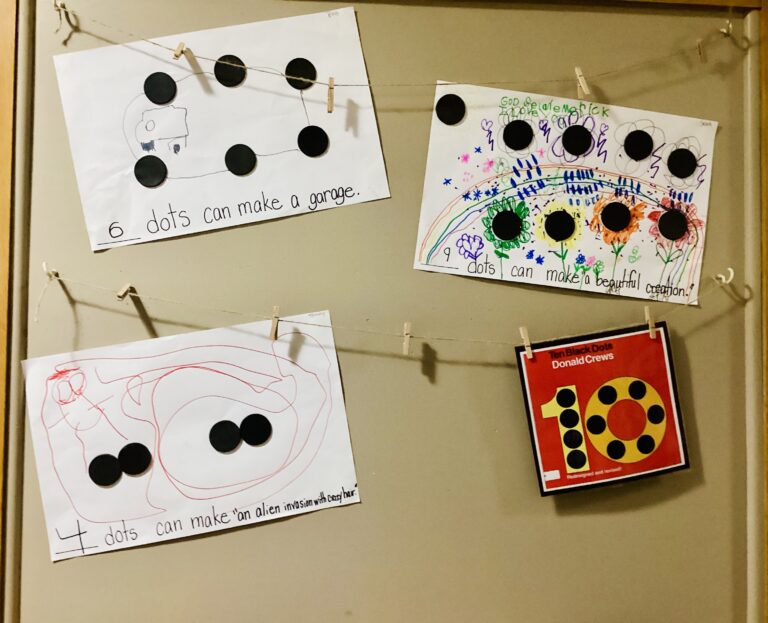
In a Reggio-inspired classroom, documentation is the process of observing, recording, and sharing the learning journey of students. Teachers can collect photographs, written observations, quotes from students, classroom discussions, artwork, and project progress over time. This type of pedagogical documentation helps educators show what students are curious about and how they develop new skills.
Unlike traditional grading or testing, Reggio Emilia documentation focuses on the learning process rather than just the final result. Teachers pay close attention to conversations, problem-solving moments, creativity, and collaboration. These observations help guide future lessons and classroom experiences based on the children’s interests.
Weaver CDC teachers use documentation to celebrate interest and encourage exploration. Whether students are building with loose parts, investigating nature outdoors, or working together on an art project, their process is valued and displayed throughout the school.
Children Learning in the Classroom
One of the main goals of documentation is making thinking visible. Young children constantly ask questions, test ideas, and explore the world around them. Documentation allows teachers to capture those moments of children learning and revisit them with students later.
For example, a teacher may take a picture of a tower kindergarteners built together. The teacher records the conversation the students had while they problem-solved about making it taller. Displaying the image and children’s words helps those students see their learning and reinforces their confidence.
This process of making thinking visible also strengthens the connection between Weaver CDC and home. Families can see not only what their child created, but how they approached challenges, collaborated with classmates, and expressed their ideas.
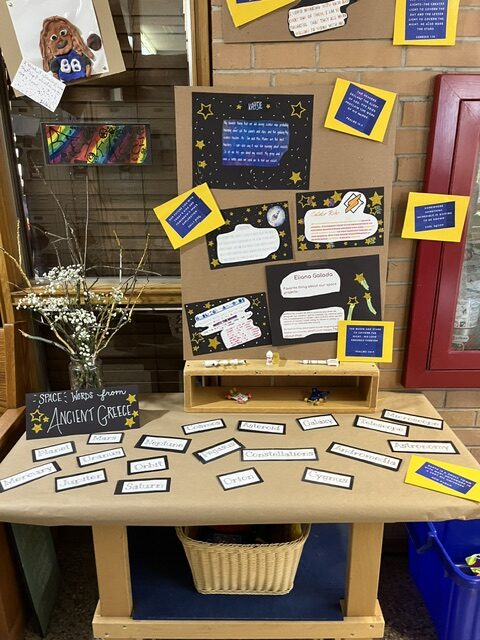
Displays often include photos, teacher reflections, and student quotes that highlight the many ways children learn. These displays help tell the story behind the activity and show the value of play-based learning.
Why Pedagogical Documentation Matters
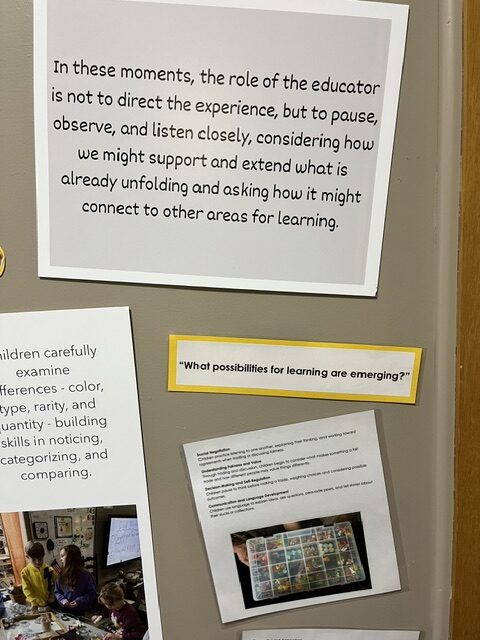
High-quality pedagogical documentation helps teachers be more intentional and responsive in the classroom. By observing and reflecting on children’s interests, educators can create experiences that build on their natural curiosity.
Documentation also supports deeper understanding for both teachers and families. Instead of only seeing a finished craft, parents can see the steps that took place during the learning process. This creates a fuller picture of children learning and growing over time.
In a Reggio-inspired environment, children are capable, creative, inquisitive learners. Reggio Emilia documentation honors those ideas by giving them visibility and importance. When displaying student work and thoughts in the classroom, they feel valued and encouraged to keep exploring.
Teachers carefully observe how students interact with materials, classmates, and their environment. These observations help guide future classroom projects and encourage meaningful experiences that support social, emotional, and academic growth.
What Does Reggio Emilia Documentation Look Like?
Documentation can take many forms in a Reggio-inspired school. Some examples include:
-
Portfolios of student work
-
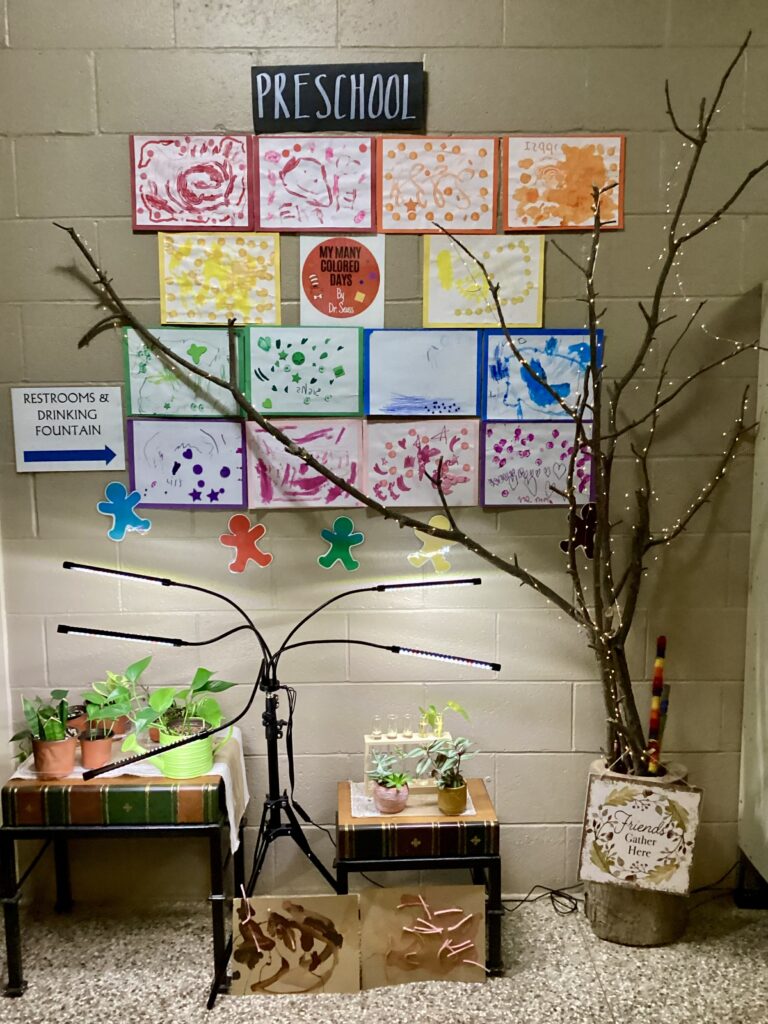
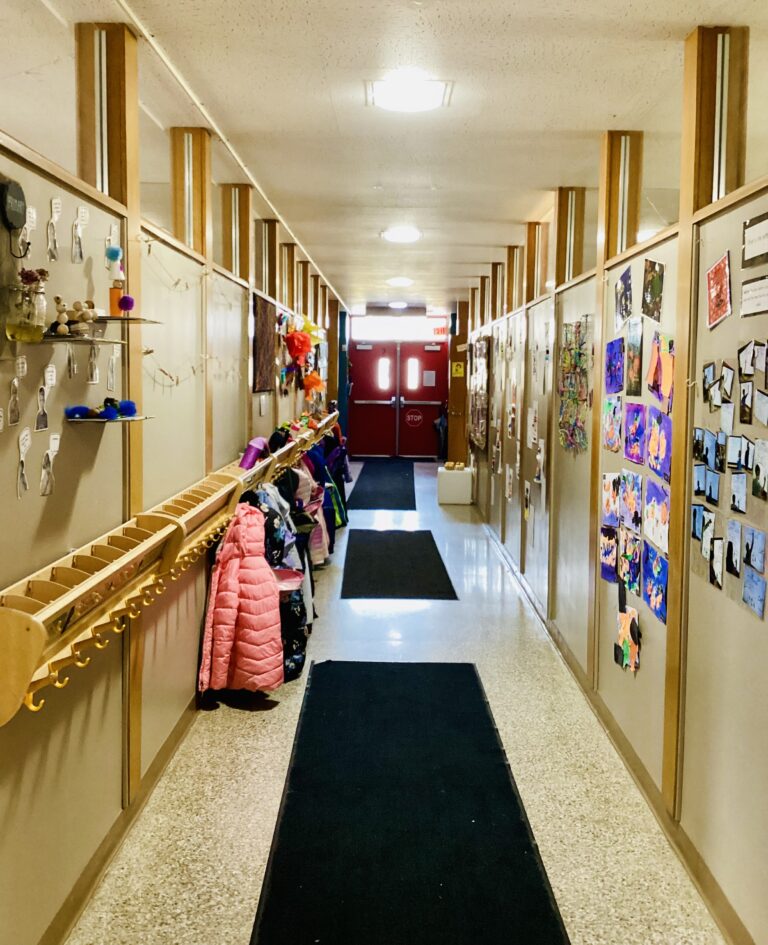
Hallway displays that share classroom investigations
-
Classroom panels featuring photos and student quotes
-
Artwork displays
-
Collaborative project boards
-
Teacher reflections and observations
A key part of displaying student work is showing the process behind the learning. Instead of focusing only on the polished final products, documentation highlights brainstorming, experimentation, collaboration, and problem-solving.
At Weaver CDC, visitors may see displays that follow a classroom project from beginning to end. For example, students studying plants might document seed growth with drawings, predictions, measurements, and photographs over several weeks. These exhibits allow students, teachers, and families to revisit learning experiences and celebrate the process together.
Intentionally displaying student work also creates an engaging space where the school celebrates children’s learning throughout the building. The walls transform into a reflection of the students, their ideas, and their discoveries.
Most importantly, making thinking visible reminds children that their voices matter. Their questions, discoveries, and work are worth celebrating.
See Learning Come to Life at Weaver CDC
Documentation is more than decoration. It is a powerful way to celebrate growth, encourage reflection, and support meaningful learning experiences for young children.
Through thoughtful pedagogical documentation, Weaver CDC nurtures an environment where curiosity thrives and learning becomes visible for students, teachers, and families alike. From classroom displays to hallway panels, every piece of documentation tells the story of children learning.
Come experience the Reggio Emilia documentation when you visit. Schedule a tour today to learn more about how Weaver CDC supports children as capable, confident learners.